
Practical guides and updates on Australian immigration from Robbie Toor (MARN 1170356), registered migration agent in Brisbane.
Latest articles

Global talent visa Australia: what exceptional talent really means
The Global Talent Visa (subclass 858) is a permanent residency pathway for individuals who are internationally recognised as exceptional in a designated sector of the Australian economy. Exceptional means operating at a level that peers and industry recognise as well above the norm, demonstrated through verifiable evidence of international achievements.
Learn more →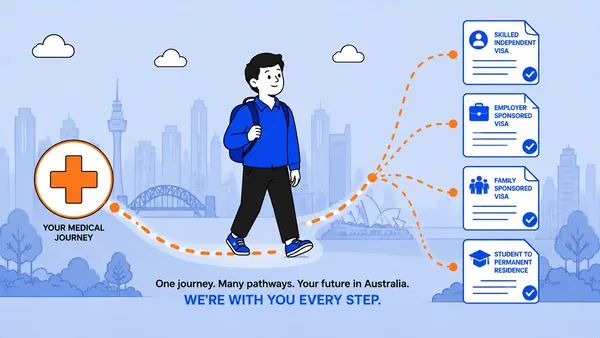
Transitioning from medical visa to other pathways
Transitioning from a medical treatment visa to another visa pathway in Australia is possible but depends primarily on whether your visa carries condition 8503 (no further stay). Most medical treatment visas include this condition, which restricts your ability to apply for other visas while in Australia.
Learn more →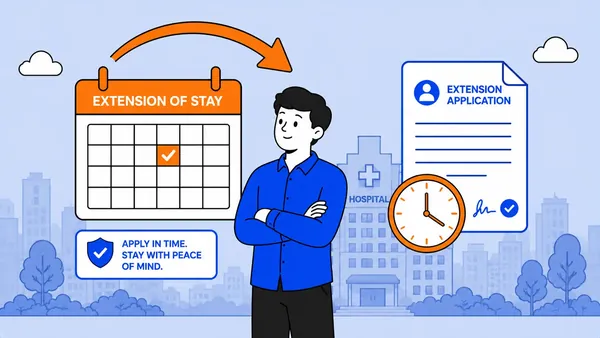
Can you stay longer on a medical visa?
Yes, you can extend your stay on a medical treatment visa by applying for a new subclass 602 visa before your current visa expires. The new application requires updated medical evidence and fresh financial documentation covering the extended period.
Learn more →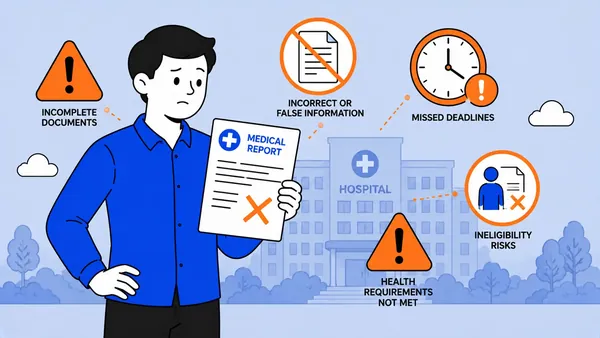
Common mistakes in medical visa applications
The most common mistakes in Australian medical treatment visa applications are submitting an inadequate specialist letter, failing to show treatment isn't available at home, providing incomplete financial documentation, applying for the wrong duration, and not disclosing your full medical history.
Learn more →
Financial requirements for medical treatment visas explained
The financial requirements for an Australian medical treatment visa (subclass 602) are assessed across three categories: treatment costs, living expenses, and travel costs. The Department of Home Affairs must be satisfied that the applicant can cover all three without becoming a burden on the Australian public health system.
Learn more →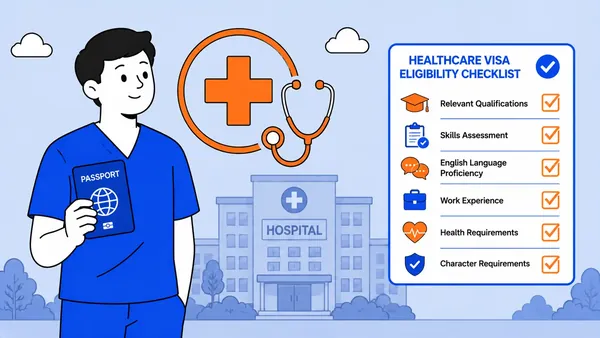
Medical treatment visa Australia: who qualifies and how to apply
The medical treatment visa (subclass 602) is a temporary visa for people who need to enter Australia specifically to receive medical care that is not adequately available in their home country.
Learn more →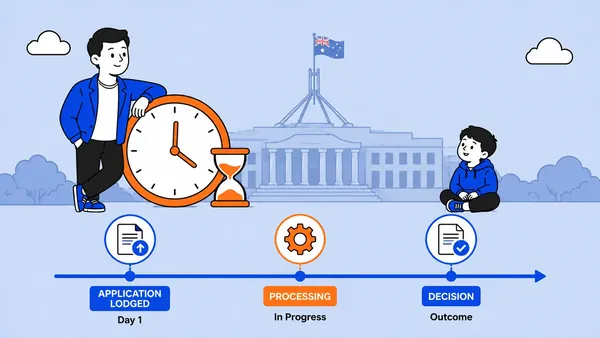
How to prove dependency for a child visa application
Child visa processing times in Australia vary based on the visa subclass, application completeness, and whether complications arise during assessment. Onshore applications (subclass 802) generally process faster than offshore applications (subclass 101), but both can take anywhere from several months to over a year.
Learn more →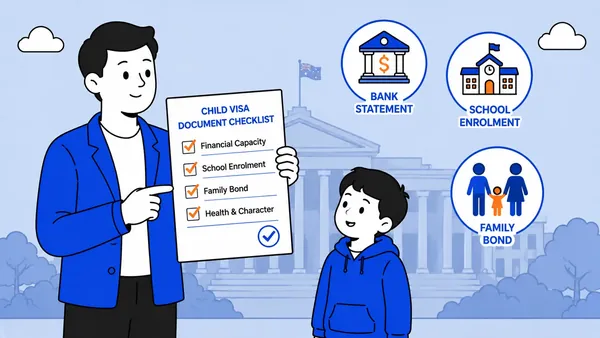
How to prove dependency for a child visa application
Proving dependency for a child visa requires demonstrating that the applicant is substantially reliant on the sponsoring parent for basic needs including financial support, accommodation, and daily living. For children under 18, dependency is generally presumed.
Learn more →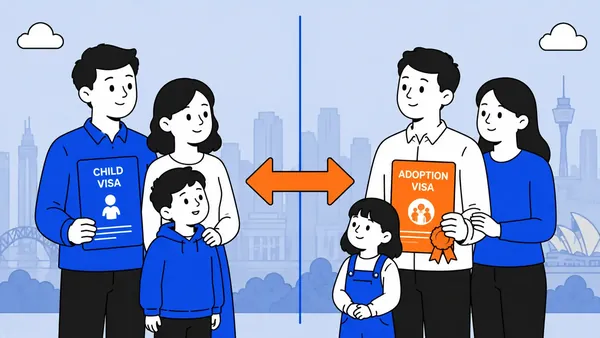
Child visa vs adoption visa: understanding the difference
A child visa (subclass 101 or 802) is for biological children or children adopted under recognised legal processes, while an adoption visa (subclass 102) is specifically for children being adopted through an Australian state or territory intercountry adoption program.
Learn more →
Common reasons child visa applications are delayed or refused
The most common causes of delay or refusal in Australian child visa applications are documentation gaps in proving the parent-child relationship, custody disputes with the other parent, failure to prove dependency for applicants aged 18 to 25, and health-related concerns that trigger cost threshold assessments.
Learn more →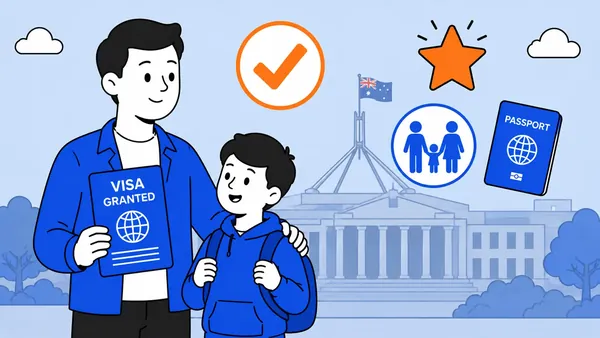
Child visa Australia: eligibility and key requirements explained
An Australian child visa allows a parent who is an Australian citizen, permanent resident, or eligible New Zealand citizen to sponsor their child to live permanently in Australia.
Learn more →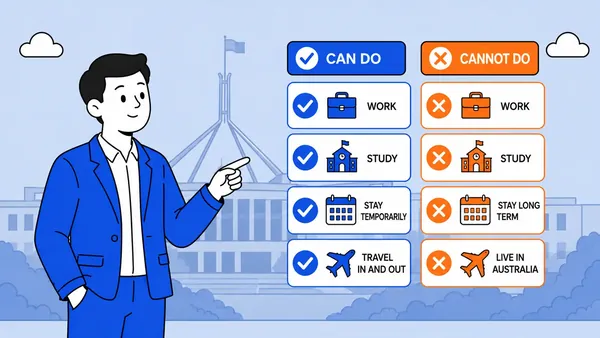
Visitor visa conditions explained: what you can and cannot do
Australian visitor visa conditions are legally enforceable rules attached to your visa grant. The most common conditions restrict work, study, onshore applications, and travel. Breaching any condition can lead to visa cancellation, detention, and bars on future applications.
Learn more →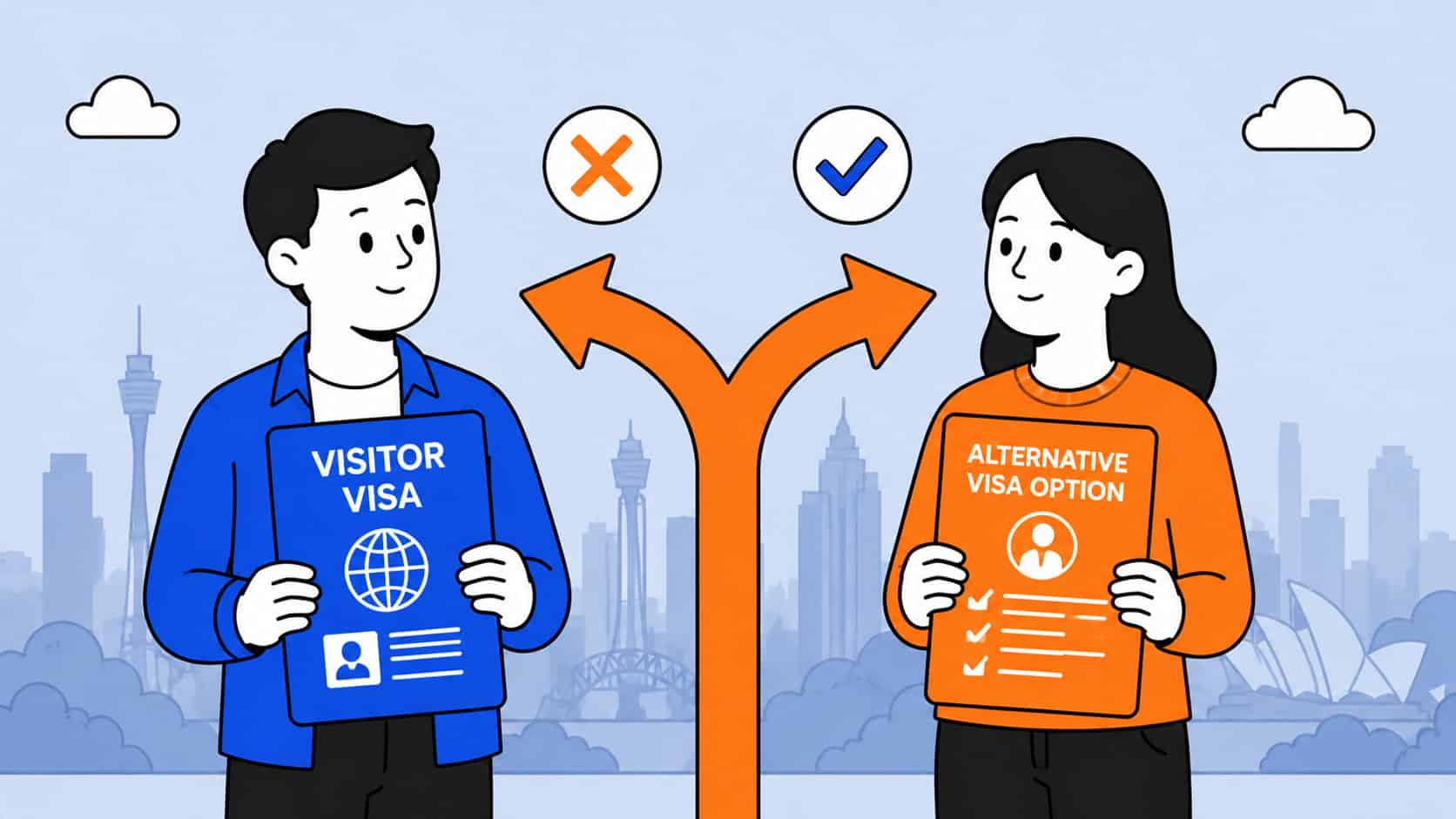
Visitor visa vs other pathways: when you should not apply
A visitor visa is not suitable if your intention is to work, study long term, seek permanent residency, or access medical treatment. Choosing the correct visa pathway is essential for future immigration success.
Learn more →
Can you extend a visitor visa in Australia? What you need to know
You may be able to remain in Australia longer by applying for a new visitor visa before your current visa expires, provided you are not restricted by a no further stay condition and meet eligibility requirements.
Learn more →
How to prove genuine temporary stay for a visitor visa
Proving genuine temporary stay requires showing strong reasons to return home after visiting Australia, including employment ties, family obligations, property ownership, financial stability, and travel history.
Learn more →
Visitor visa Australia: top reasons applications get refused
Australian visitor visa applications are commonly refused due to insufficient evidence of genuine temporary entrant status, weak financial documentation, incomplete applications, or adverse immigration history.
Learn more →
Bridging visas for asylum seekers: rights and restrictions explained
Bridging visas for asylum seekers are temporary visas that keep you lawful in Australia while your protection visa application is being processed. Your visa conditions determine whether you can work, access Medicare, travel, and meet reporting obligations.
Learn more →
What happens after you apply for a protection visa in Australia
After lodging a protection visa application, the process involves a waiting period that can last months to years, maintenance of your bridging visa conditions, a case officer interview, and a final decision.
Learn more →
Evidence in asylum claims: what immigration really looks for
Decision makers in protection visa cases assess three things: the credibility of your personal account, whether corroborating evidence supports your claims, and whether country information aligns with your described situation.
Learn more →
Common mistakes asylum seekers make that lead to refusal
The most common mistakes that lead to protection visa refusals are inconsistency between written claims and interview answers, vague descriptions of persecution, failure to link personal experience to country conditions, and missing deadlines.
Learn more →
Understanding protection visa claims: what actually qualifies in Australia
To qualify for a protection visa (subclass 866) in Australia, you need to demonstrate a well-founded fear of persecution based on race, religion, nationality, political opinion, or membership in a particular social group.
Learn more →
482 to 186 pathway - how to go from temporary to permanent
The most common pathway to permanent residence through employer sponsorship is the 482 to 186 route. You start on a 482 visa, work for your employer for the qualifying period, then apply for the 186 through the Temporary Residence Transition stream.
Learn more →
Australia points test - how to calculate your score in 2026
The points test applies to the subclass 189 (Skilled Independent), 190 (Skilled Nominated) and 491 (Skilled Work Regional) visas. You need at least 65 points to be eligible, but competitive scores are much higher.
Learn more →
DAMA Queensland - your regional visa pathway explained
Designated Area Migration Agreements (DAMAs) are a practical tool for regional employers who cannot fill positions through the standard skilled migration program.
Learn more →

Note: The information in these articles is general in nature and is not formal immigration advice. Immigration law changes frequently. Always confirm current requirements with a registered migration agent or the Department of Home Affairs.